Aïd al-Fitr 2026: The Anticipation of Celebration and Renewal
As the blessed month of Ramadan 2026 draws to a close, Muslims across the globe, from the bustling streets of Cairo to the serene communities of
In 2026, the anticipation surrounding the exact date of Aïd al-Fitr adds an extra layer of excitement, with possibilities oscillating between March 19th and March 20th. This annual event, determined by the sighting of the new crescent moon, unites families, friends, and entire communities in prayer, festive meals, and acts of charity, particularly the obligatory Zakat El Fitr. Understanding the intricacies of its determination, the rich tapestry of its celebrations, and its spiritual significance is key to fully appreciating this blessed day.
The Sacred Search: Unveiling Aïd al-Fitr 2026's Date
The exact timing of Aïd al-Fitr is not simply a matter of looking at a Gregorian calendar; it's a deeply spiritual and communal process known as the "Nuit du Doute" (Night of Doubt), or Laylat al-Chak. This tradition, which ensures the lunar calendar's fidelity, involves a religious commission observing the sliver of the new crescent moon after sunset. Should the moon be visible, Ramadan concludes that day, and Aïd al-Fitr commences the following morning. If not, the fasting month extends by one day.
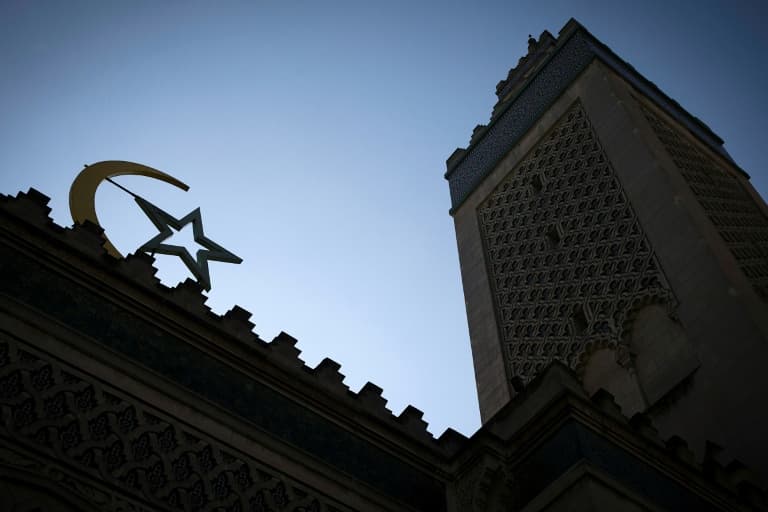
For Aïd al-Fitr 2026, the commission responsible for announcing the date, such as the prominent Grande Mosquée de Paris, will convene to scrutinize the skies. This decision-making process carefully weighs both direct moon sightings and advanced astronomical calculations. Historically, these two methods sometimes lead to slight discrepancies. For instance, while some calculations might point to Ramadan ending on March 19th, potentially making March 20th the day of Aïd, others might suggest a later sighting, shifting the festival to March 21st. The consensus among leading religious bodies aims to provide clarity, but variations can and do occur.
It's important to note that different Islamic councils sometimes employ varying methodologies. For example, in France, the Grande Mosquée de Paris traditionally prioritizes moon sighting, whereas the Conseil Français du Culte Musulman (CFCM) often leans on scientific data and pre-announces dates based on these calculations. This divergence can lead to separate start dates for Ramadan, and consequently, Aïd al-Fitr. For a deeper dive into these nuances, you can explore articles like Aïd el-Fitr 2026: Nuit du Doute and Conflicting Dates and France's Aïd al-Fitr 2026: Paris Mosque vs. CFCM Dates, which detail the challenges and discussions around these differing approaches.
Practical Tip: To ascertain the precise date for your region in 2026, it is always best to consult your local mosque, Islamic center, or national religious authorities in the days leading up to the expected end of Ramadan. Their announcements will provide the most accurate guidance for your community.
Aïd al-Fitr in Suez: Local Traditions and Global Unity
For the vibrant Muslim community in
Once the date of
The celebrations in Suez will involve visits to relatives, exchanging greetings of "Aïd Mubarak," and sharing festive meals. Streets may come alive with community gatherings, and local markets will bustle with activity as families prepare for the feasts. It's a time when community bonds are strengthened, and the spirit of generosity is palpable, particularly through the distribution of Zakat El Fitr.
Cultural Insight: In Egypt, and by extension Suez, popular Aïd sweets often include Kahk (shortbread cookies filled with dates or nuts and dusted with powdered sugar) and Ghorayeba (butter cookies). These are prepared in advance and shared generously with guests and neighbors, adding a unique flavor to the local celebrations.
Pillars of Celebration: Prayers, Feasts, and Zakat El Fitr
Aïd al-Fitr encapsulates the essence of gratitude, spiritual purification, and communal solidarity through three primary pillars: collective prayers, joyous feasting, and obligatory charity.
The Morning Prayers (Salat al-Aïd)
The day of Aïd commences with the congregational Aïd prayer (Salat al-Aïd), a special two-rak'ah prayer performed in the morning. This prayer is not only a spiritual obligation but also a beautiful demonstration of Muslim unity, as communities gather shoulder to shoulder in mosques or open prayer grounds. Institutions like the Grande Mosquée de Paris, for instance, often schedule multiple prayer times (e.g., 8:00 AM and 8:45 AM) to accommodate large congregations. In Suez, local mosques will announce their specific timings, ensuring that everyone has the opportunity to participate in this significant collective worship.
Attending Salat al-Aïd is highly encouraged, and it's customary to wear one's best clothes, engage in acts of purification, and consume a small, odd number of dates before heading to the prayer, symbolizing the breaking of the fast.
Festive Feasts and Family Gatherings
Following the prayers, the atmosphere transforms into one of sheer jubilation. Aïd al-Fitr is synonymous with lavish family meals, visiting relatives and friends, and exchanging gifts. It's a time to reconnect, forgive, and reinforce familial and social bonds. From traditional dishes passed down through generations to modern culinary delights, food plays a central role in the celebrations. Children, in particular, look forward to new clothes, toys, and "Eidiya" (money gifts from elders).
The spirit of sharing extends beyond immediate family, with many inviting neighbors, friends, and those who may be alone to join their festivities, embodying the true communal spirit of Islam.
Zakat El Fitr: The Obligatory Charity
Perhaps one of the most poignant aspects of Aïd al-Fitr is the commandment of Zakat El Fitr. This mandatory charitable donation is incumbent upon every Muslim who possesses sufficient means, regardless of age or gender, and must be paid before the Aïd prayers commence. Its primary purpose is twofold: to purify the fasting person from any minor sins or idle talk during Ramadan and, crucially, to ensure that the less fortunate members of the community can also partake in the joyous celebrations of Aïd, free from financial worry.
Zakat El Fitr is typically given in the form of staple food items (like wheat, barley, dates, or rice) equivalent to one sa' (approximately 2.5 to 3 kg per person), or its monetary equivalent. This act of giving reduces social inequalities, fosters empathy, and underscores the Islamic principle that wealth should circulate to benefit all members of society. For those in Suez, contributions can be made to local charities, mosques, or directly to needy families, ensuring that no one is left out of the Aïd al-Fitr festivities.
Actionable Advice: Plan your Zakat El Fitr contribution in advance. Calculate the amount required for each member of your household and ensure it reaches the recipients before the Aïd prayer. Many organizations facilitate this, or you can distribute it personally to those in need within your community.
Practical Preparation for a Memorable Aïd al-Fitr 2026
To ensure a fulfilling and joyful Aïd al-Fitr in 2026, a little preparation goes a long way:
- Confirm the Date: Stay updated with announcements from reputable local and national religious authorities in your area, whether you are in Suez or elsewhere.
- Plan Your Zakat: Calculate and disburse your Zakat El Fitr well before the Aïd prayers. This ensures the needy receive it in time to prepare for their own celebrations.
- Prepare Your Wardrobe: It's customary to wear new or your best clothes on Aïd. Plan your outfits for yourself and your family in advance.
- Organize Meals: Decide on your Aïd menu. Whether you're cooking elaborate feasts or simpler meals, early planning can reduce stress. Don't forget traditional sweets!
- Connect with Loved Ones: Plan visits to family and friends. Aïd is a time for strengthening bonds and spreading joy. Consider reaching out to those who might be isolated.
- Reflect and Recharge: Beyond the festivities, take a moment for personal reflection on your Ramadan journey. Carry forward the spiritual growth and positive habits into the rest of the year.
Aïd al-Fitr 2026 promises to be a day of immense joy, spiritual fulfillment, and community bonding. From the meticulous moon sighting that determines its arrival to the heartfelt prayers, bountiful feasts, and profound acts of charity, every aspect of this festival reinforces the core values of Islam. Whether you are celebrating in the heart of